- 01535 652338
- mail@watsonsbs.com


Blog
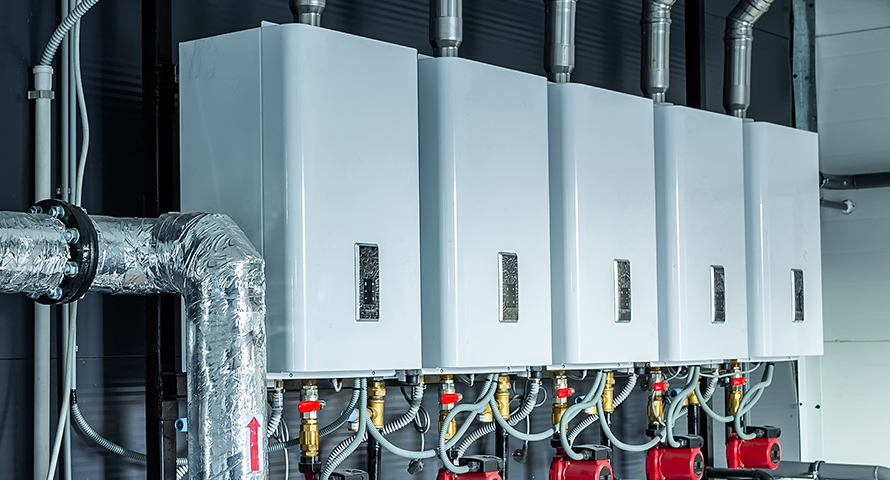
Upgrading LTHW Boiler Systems in Commercial & Public Sector Buildings: A Complete Guide
WBS
General
Upgrading an LTHW boiler system means improving efficiency, reliability and compliance, often without replacing the entire heating plant.
In many commercial and public sector buildings, performance gains come from optimising controls, improving sequencing, reducing flow temperatures and modernising key components. Full boiler replacement is sometimes necessary, but it is not always the most cost-efficient first step.
For estates and facilities teams, the key question is: How can we improve heating performance, reduce carbon exposure and protect ROI without unnecessary disruption?
What Is an LTHW Boiler System and Why Should It Be Upgraded?
An LTHW (Low Temperature Hot Water) system is a heating system that distributes heated water, traditionally designed around 80°C flow and 60°C return, to provide space heating in large buildings. These systems are widely installed across hospitals, manufacturing facilities, schools, religious establishments, offices and public sector estates.
Most LTHW systems currently in operation were installed between 15 and 30 years ago, and some even more. While mechanically robust, they were designed before modern efficiency standards, carbon reporting requirements and advanced control strategies became standard practice.
Historically, systems operated with fixed high temperature setpoints and basic boiler sequencing. Today, those same characteristics often result in inefficiencies. High return temperatures reduce condensing performance. Poor sequencing leads to short cycling. Pumps may run continuously at constant speed regardless of demand.
As energy costs rise and carbon reporting becomes more scrutinised, these inefficiencies have a measurable financial and regulatory impact.
Why upgrades are increasingly necessary
LTHW systems are typically upgraded for four core reasons:
- To reduce energy consumption and improve seasonal efficiency
- To support compliance with MEES, EPC and carbon reporting frameworks
- To reduce Scope 1 emissions and align with decarbonisation targets
- To mitigate reliability risks associated with ageing plant and obsolete controls
In practice, upgrading is rarely about replacing boilers alone. It is about improving whole-system performance across controls, hydraulics, temperature strategy and plant resilience.
What are the signs a LTHW system may require upgrading?
Certain performance indicators suggest optimisation or phased improvement should be considered:
- Rising gas consumption without occupancy change
- Persistent low delta T (high return temperatures)
- Frequent boiler short cycling
- Obsolete or unsupported control systems
- Increasing reactive maintenance
- Uneven heating or occupant complaints
These symptoms do not automatically mean full plant replacement is required. However, they indicate that system performance is likely below optimal levels and should be assessed. An evidence-led engineering review often identifies efficiency improvements that deliver strong ROI before full replacement becomes necessary.
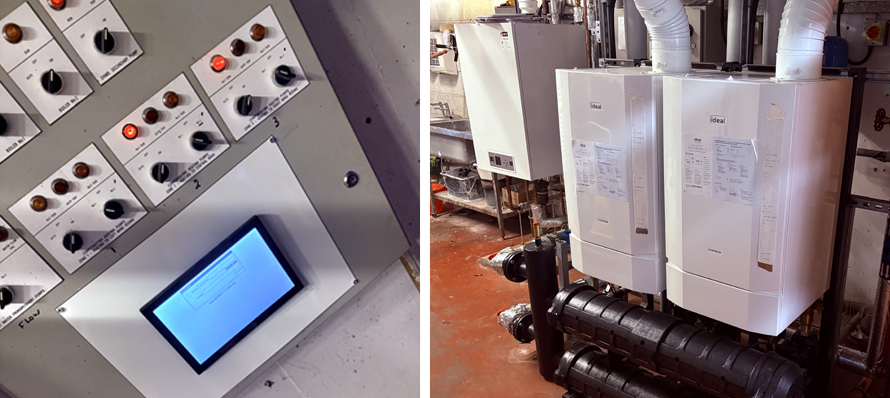
BMS integration provides continuous optimisation, improves fuel performance and asset longevity.
Can You Upgrade an LTHW System Without Full Replacement?
In many cases, yes. A structured engineering assessment typically focuses first on optimisation rather than wholesale mechanical replacement.
- Improving boiler sequencing ensures the plant operates within efficient load ranges.
- Introducing weather compensation aligns flow temperature with external conditions.
- Optimised start and stop strategies prevent unnecessary runtime.
Hydraulic performance is equally important. Correcting system balance and improving pump control often reduces return temperatures, enhancing condensing efficiency.
Where boilers are nearing end-of-life, modular or phased replacement improves turndown ratios and resilience while spreading capital investment.
How Does BMS Integration Transform LTHW Performance?
A modern Building Management System provides visibility over runtime, load and temperature stability. Rather than relying on fixed high setpoints, estates teams can optimise flow temperatures dynamically, identify short cycling and detect inefficiencies early. Over time, this continuous optimisation improves fuel performance and asset longevity. For many estates, control modernisation delivers faster performance improvement than mechanical replacement alone.
CASE STUDY SPOTLIGHT
Strategic LTHW Upgrade at a Care Home in Keighley
A recent care home project in Keighley demonstrates how a strategic LTHW upgrade can improve efficiency and resilience without reactive failure.
Watsons Building Services replaced ageing boilers, enhanced BMS control and maintained uninterrupted service throughout, delivering measurable performance gains with zero disruption.
READ THE FULL CASE STUDY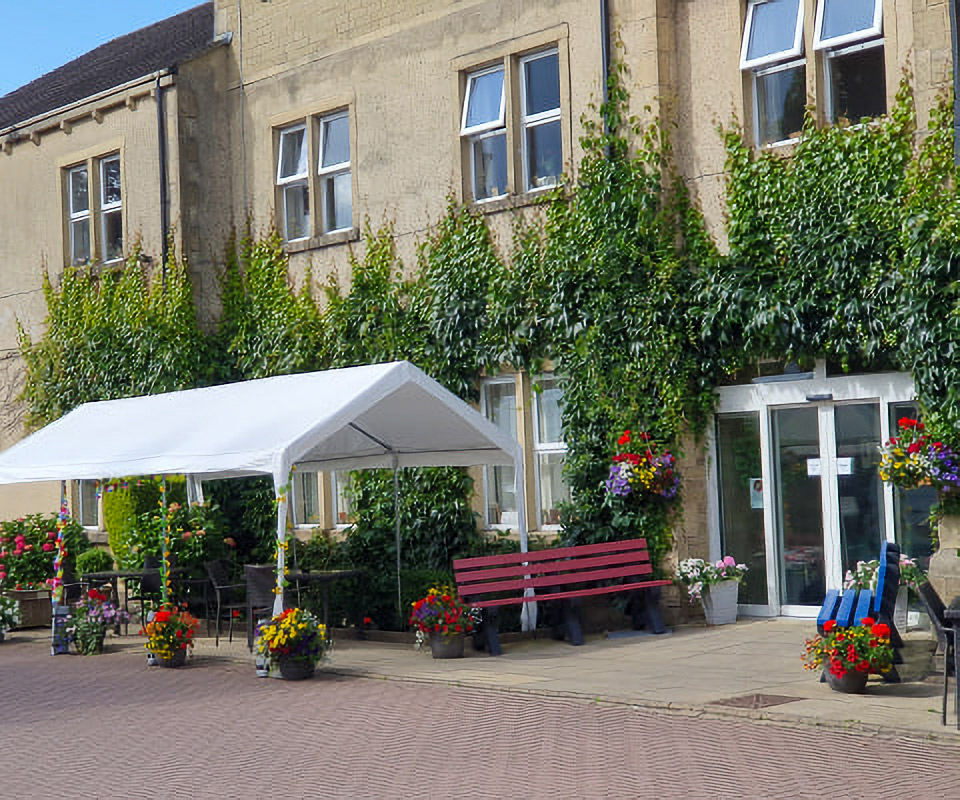
How Do LTHW Upgrades Improve Cost-Efficiency and ROI?
Return on investment is driven by lifecycle performance, not just upfront capital cost. The most immediate benefit of an LTHW upgrade is reduced fuel consumption. Optimised controls, improved sequencing and refined temperature strategies often deliver measurable efficiency gains without requiring full system replacement, lowering operating costs year after year.
Modernised plant and control systems also reduce reactive maintenance and emergency repair risk. Instead of unpredictable breakdown expenditure, organisations gain structured, planned asset management with greater budget certainty. Improved heating performance further strengthens carbon reporting outcomes, supporting ESG objectives and regulatory compliance requirements. Crucially, proactive upgrades minimise exposure to winter failure. By addressing risk before breakdown occurs, estates teams protect both financial performance and operational continuity.
What Compliance Factors Influence LTHW Upgrades?
Heating performance directly affects building compliance. MEES standards and EPC ratings are influenced by plant efficiency and control sophistication. Part L Building Regulations require modern performance standards during replacement or major upgrade works.
For larger organisations, SECR reporting places heating efficiency within formal governance frameworks. In healthcare estates, HTM guidance requires resilience and structured commissioning. Upgrading LTHW systems is therefore both a performance and compliance decision.
Sector-Specific Considerations
Healthcare estates prioritise resilience and continuous uptime. Manufacturing sites require load stability and production continuity. Education and public sector buildings often align upgrades with funding cycles and shutdown periods.
Each environment requires a tailored approach to balancing efficiency, compliance and operational risk. Watsons Building Services supports commercial, industrial and public sector clients in delivering phased, evidence-led LTHW upgrade strategies that optimise performance today and prepare infrastructure for tomorrow’s regulatory and carbon landscape.
Innovation, Expertise, Excellence: A Proven Partner In HVAC Solutions
With decades of experience in HVAC design, installation, and commissioning, Watsons Building Services provides the technical expertise and project delivery capability to provide phased LTHW system upgrades.
From initial consultation and system design to installation and ongoing optimisation, Watsons ensures each solution is tailored to meet the specific operational, environmental, and financial goals of every client, helping buildings perform better, longer, and more sustainably.
Need to upgrade your LTHW System?
Connect with Watsons Building Services and discover how our expertise and experience can help strategically plan complete or phased heating system upgrades.